Indian Political Thought

Explicate the Ideological Components of Gandhism – UPSC PSIR Model Answer

Explicate the Ideological Components of Gandhism. (2020/20M/250W/3a) In the Political Science and International Relations (PSIR) syllabus of UPSC CSE, Gandhism holds a central place. While Karl Marx, Hobbes, and Locke built systematic theories, Gandhi’s thought emerged from lived experiences of colonial oppression and India’s struggle for freedom. His philosophy cannot be confined to narrow political […]

Explicate the Ideological Components of Gandhism – UPSC PSIR Model Answer Read More »
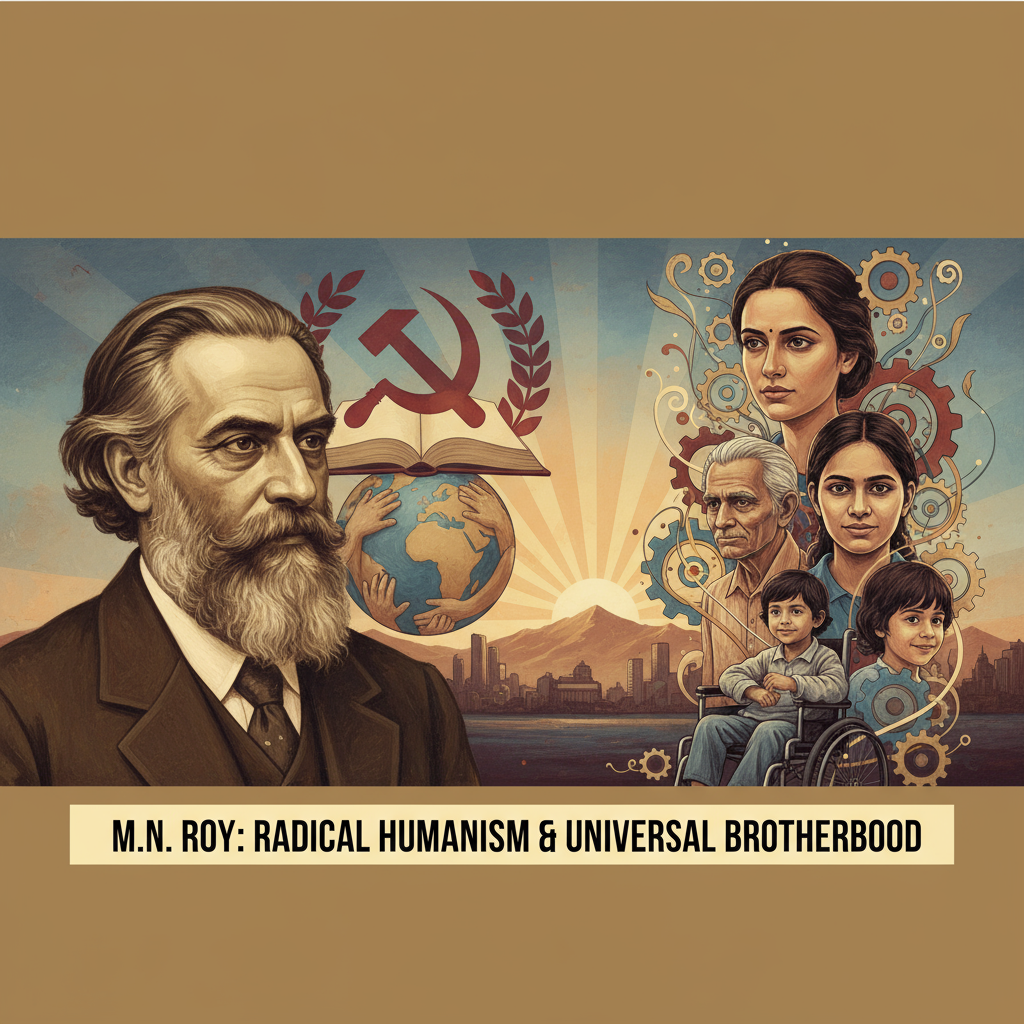
M.N. Roy’s Humanistic Marxism: Radical Humanism and Its Contemporary Relevance for UPSC PSIR

In the history of modern Indian political thought, Manabendra Nath Roy (1887–1954) stands out as one of the most original thinkers. His intellectual journey—from an early revolutionary, to a Marxist-Leninist, to eventually becoming the proponent of Radical Humanism—represents a remarkable trajectory of philosophical experimentation. For UPSC PSIR aspirants, M.N. Roy is especially important because his

M.N. Roy’s Humanistic Marxism: Radical Humanism and Its Contemporary Relevance for UPSC PSIR Read More »

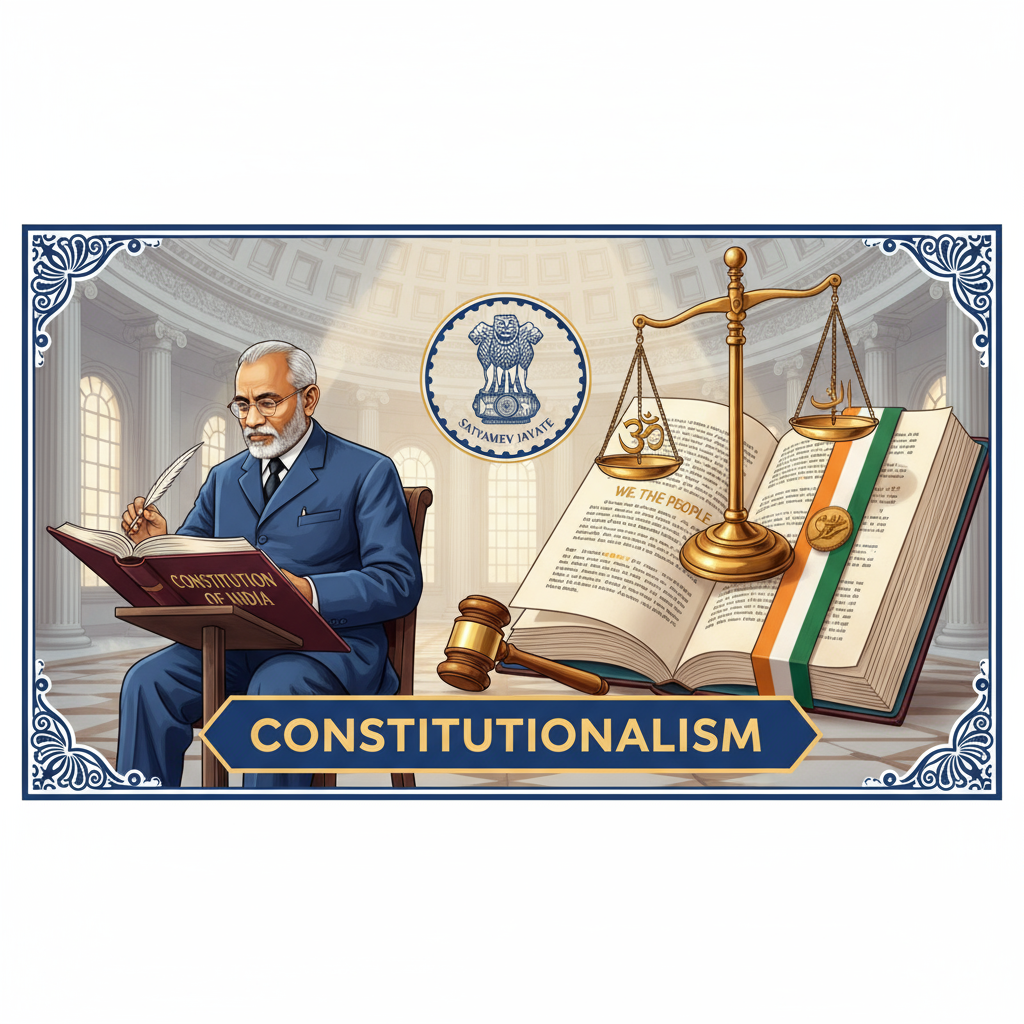
Comment-on-Ambedkars-ideas-on-constitutionalism

Ambedkar’s Ideas on Constitutionalism: A Model Answer for UPSC PSIR

Comment on Ambedkar’s ideas on constitutionalism. [2020/10m/150w/1d] B.R. Ambedkar, the chief architect of the Indian Constitution, stands as one of the most original thinkers of modern India. His conception of constitutionalism cannot be reduced to mere legal formalism; rather, it was a transformative project aimed at dismantling social hierarchies, especially caste-based oppression. For UPSC PSIR

Ambedkar’s Ideas on Constitutionalism: A Model Answer for UPSC PSIR Read More »